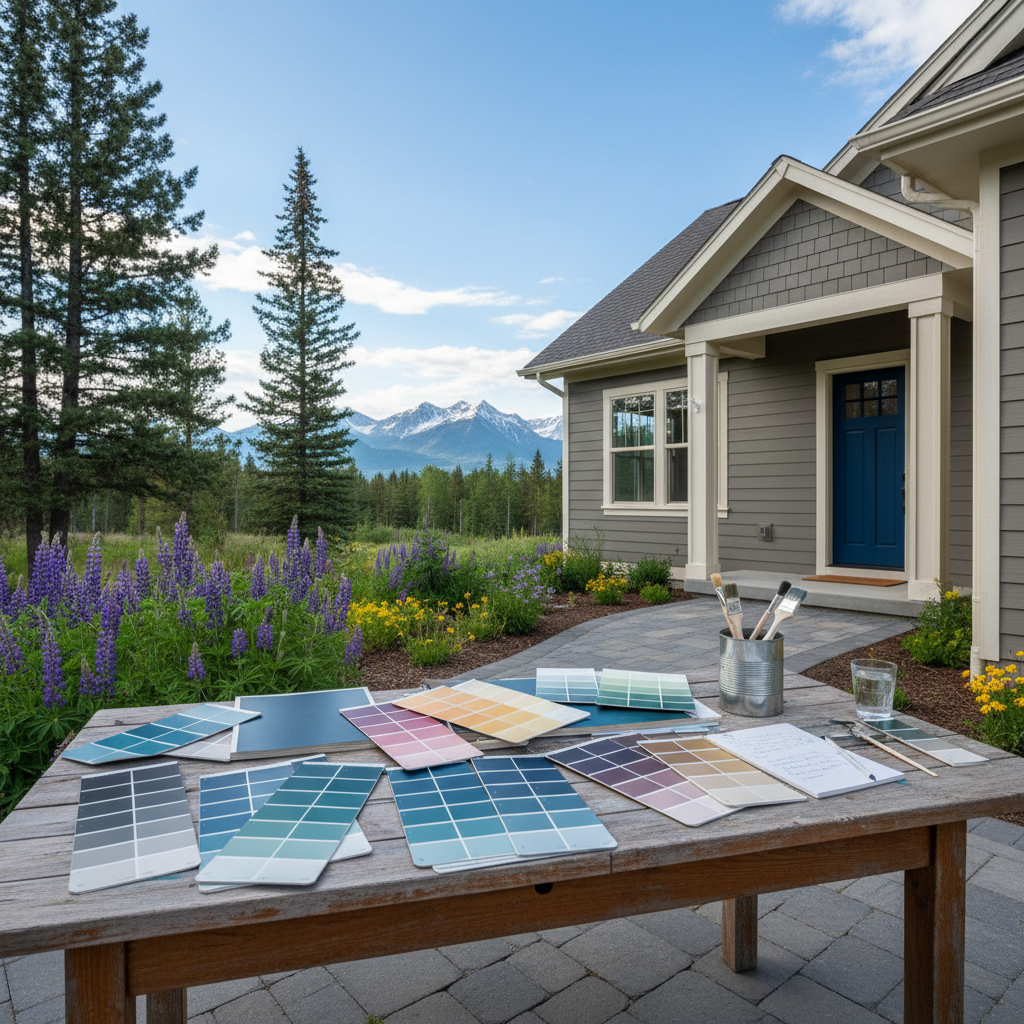
So, you’ve put in the effort with a great color consultation, maybe even had Whitefish House Painters do the work, and your home looks absolutely fantastic. That’s awesome! But here’s the thing: paint isn't a 'set it and forget it' kind of deal, especially not here in Whitefish. Our weather, with those brutal winters and hot, sunny summers, really puts a paint job through its paces. You want that fresh look to last, right? Let's talk about how to make that happen.
Want Your Paint Job to Last Longer? It's All About Protection
Think of your paint as a shield for your home. The better you protect that shield, the longer it’ll keep your house safe. The biggest enemies here in Whitefish? Water and UV rays. Snow, rain, and that intense summer sun can seriously beat up a finish.
- Keep Gutters Clean: This might sound super basic, but it’s actually a huge deal. Clogged gutters mean water spills over, runs down your siding, and just sits on the trim. That constant moisture is a paint killer. It causes peeling, blistering, and even rot. I see it all the time on older homes in the Railway District where people just haven't kept up with gutter maintenance. Clean them out at least twice a year, maybe more if you've got lots of pine trees nearby.
- Manage Landscaping: Got bushes and trees rubbing against your house? That’s definitely going to wear down the paint. Keep them trimmed back a foot or two from the siding. Oh, and make sure your sprinklers aren’t constantly drenching your house. Consistent moisture will break down paint faster than anything else.
- Fix Small Damage Fast: See a little chip or scratch? Don't just let it sit there. That’s an open invitation for moisture to get under the paint film and start causing much bigger problems. A quick touch-up with leftover paint can save you a ton of headache and money down the road. Trust me on this one.
Regular Maintenance: What You Should Actually Be Doing
You don't need to be out there every single weekend, but a little routine care really does go a long way.
- Annual Inspection: Once a year, ideally in the spring after the snow melts but before the summer heat really kicks in, take a walk around your entire house. Look closely at every side. Pay extra attention to south and west-facing walls, since they get the most sun exposure. Check areas around windows, doors, and trim.
- Gentle Cleaning: If your siding looks a bit dingy, a gentle wash can work wonders. Use a soft brush or a low-pressure setting on a power washer (and I mean *low* pressure – you absolutely do not want to blast the paint off!). A mild detergent, like dish soap, mixed with water is usually all you need. Rinse it thoroughly. This isn't just about looks; dirt and mildew can actually hold moisture against the paint, speeding up its breakdown.
- Check Caulking and Sealants: Over time, caulk around windows, doors, and trim can crack or shrink. This creates openings for water to get behind the paint and right into your walls. Inspect these areas annually and re-caulk as needed. It's a cheap fix that prevents expensive problems later on.
Warning Signs: What to Keep an Eye Out For
Your house will tell you when there's a problem, you just need to know how to "listen." Don't ignore these signals:
- Fading or Chalking: If your paint color looks duller than it used to, or if you can rub your hand on it and get a powdery residue, that's chalking. It means the paint is breaking down from UV exposure. It’s a clear sign that the protective qualities are diminishing.
- Cracking, Peeling, or Blistering: These are obvious red flags, plain and simple. Cracks mean the paint film has lost its flexibility. Peeling and blistering indicate moisture is getting behind the paint, pushing it right off the surface. Don't wait on these; they'll only get worse.
- Mildew or Mold: Dark, splotchy areas, especially in shady spots or under eaves, are usually mildew. While it doesn't always damage the paint itself, it looks bad and can point to a moisture issue that needs addressing.
- Wood Rot: If you find soft spots in your wood trim or siding, particularly near the ground or around windows, you've got rot. That's a serious problem that needs immediate attention, and it means water has been getting in for a while.
When to Call a Professional
Look, not every little chip means you need to call us. But there are definitely times when getting a pro involved makes a lot of sense and can actually save you money in the long run.
- Widespread Fading or Chalking: If it's just a small patch, you might touch it up. But if large sections of your house are fading or chalking, it's probably time for a repaint. The protective qualities are gone, and your home is exposed.
- Extensive Peeling or Cracking: A few small flakes? You might be able to scrape and touch up. But if you're seeing large areas of paint failing, it's a sign that the surface wasn't prepped right, or the paint has simply reached the end of its life. Trying to patch that yourself often leads to a patchy, uneven look, which nobody wants.
- Wood Damage or Rot: This is beyond a simple paint job. If you have soft wood, you need to address the structural issue before you even think about painting. We can help identify these problems and recommend solutions, or refer you to a good carpenter.
- You're Unsure: Honestly, if you're walking around your house and just have a gut feeling something isn't right, give us a call. We're happy to come out, take a look, and give you an honest assessment. Sometimes it's a simple fix, sometimes it's a bigger job, but you won't know until you ask. We've seen it all, from houses baked by the sun on the west side of town to those tucked away in the woods getting constant moisture. We can tell you what's going on.
Taking care of your home's exterior paint isn't glamorous work, but it's absolutely crucial for maintaining its beauty and protecting your investment. A little proactive maintenance goes a long way toward keeping your Whitefish home looking its very best for years to come.