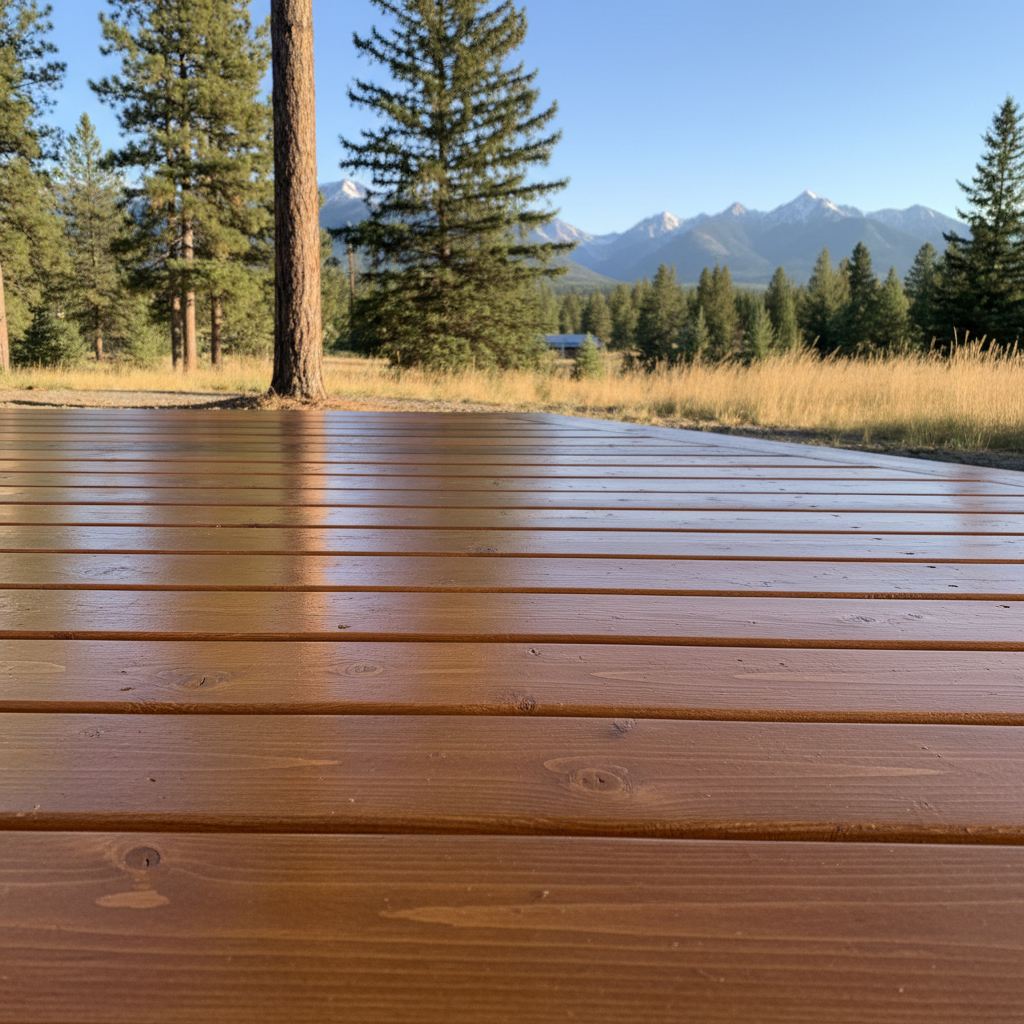
Deck staining. It’s one of those chores homeowners often put off, or they just dive in without really knowing what they’re doing. And believe me, I’ve seen the results of both approaches, good and bad, all over Whitefish. You’ve got questions, and I’ve got answers. Here are the common things folks ask me about deck staining, and what I usually tell them.
What's the best type of stain for a deck in Whitefish, Montana?
This isn't a simple, one-size-fits-all answer, but I can certainly tell you what tends to work best in our climate. Here in Whitefish, we get some pretty brutal winters and hot, sunny summers. That means you need a stain tough enough to handle extreme temperature swings, UV radiation, and plenty of moisture. I usually suggest either oil-based penetrating stains or high-quality water-based acrylic/oil hybrid stains. Oil-based stains really soak into the wood, giving it excellent protection against moisture and cracking. Plus, they tend to wear down more gracefully over time, which means less peeling. Water-based hybrids have really improved lately; they're easier to clean up and often have better UV resistance, but you really need to make sure you're buying a premium product. Just stay away from cheap, film-forming stains – they'll peel and flake in no time with our freeze-thaw cycles.
How often should I re-stain my deck?
The honest truth? It just depends. It depends on the kind of stain you used, how much sun and weather your deck sees, and even the type of wood. Generally, a good quality penetrating stain on a deck that gets full sun might need a fresh coat every 2-3 years. If it's more shaded, you could get 3-5 years out of it. Transparent and semi-transparent stains usually need more frequent reapplication than solid stains because they don't have as much pigment to protect against UV rays. The trick is to watch for signs of wear: fading, water not beading up anymore, or the wood starting to look dry and gray. Don't wait until it's peeling everywhere; that just turns the prep work into a total nightmare.
Can I stain over an old stain?
Sometimes, yes, but usually not directly. If your old stain is in good shape – meaning it's not peeling, flaking, or severely worn – and you're using the same type of stain (oil over oil, water over water), you might get away with a thorough cleaning and a fresh coat. However, if there's any peeling or significant wear, you’ll definitely need to remove the old stain first. This usually means stripping and brightening the wood. Trying to stain over a failing finish is like building a house on a shaky foundation – it’s just going to fail again, probably even faster. It's a lot more effort upfront to strip it, but it’ll save you headaches and money down the road.
What's the right way to prepare my deck for staining?
Preparation is probably the most important step, and it's where most DIYers cut corners, sadly. First, clean the deck really well. I mean removing all the dirt, mildew, algae, and any loose stain. A good deck cleaner and a stiff brush, or a pressure washer used carefully, will do the trick. If you're pressure washing, keep the nozzle moving and don't get too close, especially on softer woods like cedar, or you'll gouge it. After cleaning, use a deck brightener. This opens up the wood pores, neutralizes the cleaner, and brings back the wood's natural color, which helps the new stain soak in evenly. Let the deck dry completely – usually 2-3 sunny days – before you even think about putting on stain. Moisture trapped under the stain will cause it to fail way too soon.
What about new wood? Does it need special treatment?
Absolutely. New pressure-treated lumber, which is pretty common around here, needs time to 'weather' before you stain it. It’s usually saturated with chemicals and moisture. Staining it too soon will prevent the stain from penetrating and adhering properly. I suggest letting new pressure-treated wood weather for at least 6 months, sometimes up to a year, depending on the conditions. You'll know it's ready when water sprinkled on it soaks in instead of beading up. Once it’s weathered, you’ll still need to clean and brighten it to get rid of mill glaze and any surface dirt before staining. This is a step many folks miss, and it makes a huge difference in how well your stain performs.
When's the best time of year to stain a deck in Whitefish?
Here in Whitefish, timing really is everything. You want dry weather, moderate temperatures, and no direct, scorching sun during application. Spring (late April through June) and early fall (September to early October) are usually your best bets. You need a stretch of at least 2-3 days with no rain, and ideally, temperatures between 50-85°F. Staining in direct, hot sun can make the stain dry too fast, leading to lap marks and poor penetration. Staining too late in the fall, when night temperatures drop below freezing, can also mess with the stain's curing process. We often get those clear, cool fall days, sometimes with a nice breeze coming off the lake, that are just perfect for this kind of work. That's when Whitefish House Painters is usually out there getting decks done.
Should I use a brush, roller, or sprayer?
For deck staining, I almost always recommend a brush or a pad applicator for the best results. Rollers can work for big, flat areas, but they tend to leave too much stain on the surface, which can lead to peeling later. If you do use a roller, always back-brush to work the stain into the wood. Sprayers are fast, no doubt, but they're tricky. You get a lot of overspray, and you still need to back-brush right away to make sure it penetrates properly and covers evenly. If you're not experienced with a sprayer, you could end up with a messy, blotchy deck. For railings, spindles, and intricate spots, a good quality brush is essential. It gives you control and lets you work the stain into every little nook and cranny.
My deck is really old and gray. Can it be saved?
Most of the time, yes! Don't write off an old, gray deck without at least trying to bring it back to life. That gray color is just UV damage and dead wood fibers on the surface. A good deep cleaning, followed by a strong deck brightener, can work absolute wonders. I've seen decks that looked ready for demolition come back to life with the right treatment. The brightener helps restore the wood's natural tone and opens up the pores so it can accept a new stain. Of course, if you've got significant rot, structural damage, or boards that are splintering badly, those might need replacing. But for just graying and general wear, there's a good chance you can bring it back and get many more years out of it with a fresh stain.