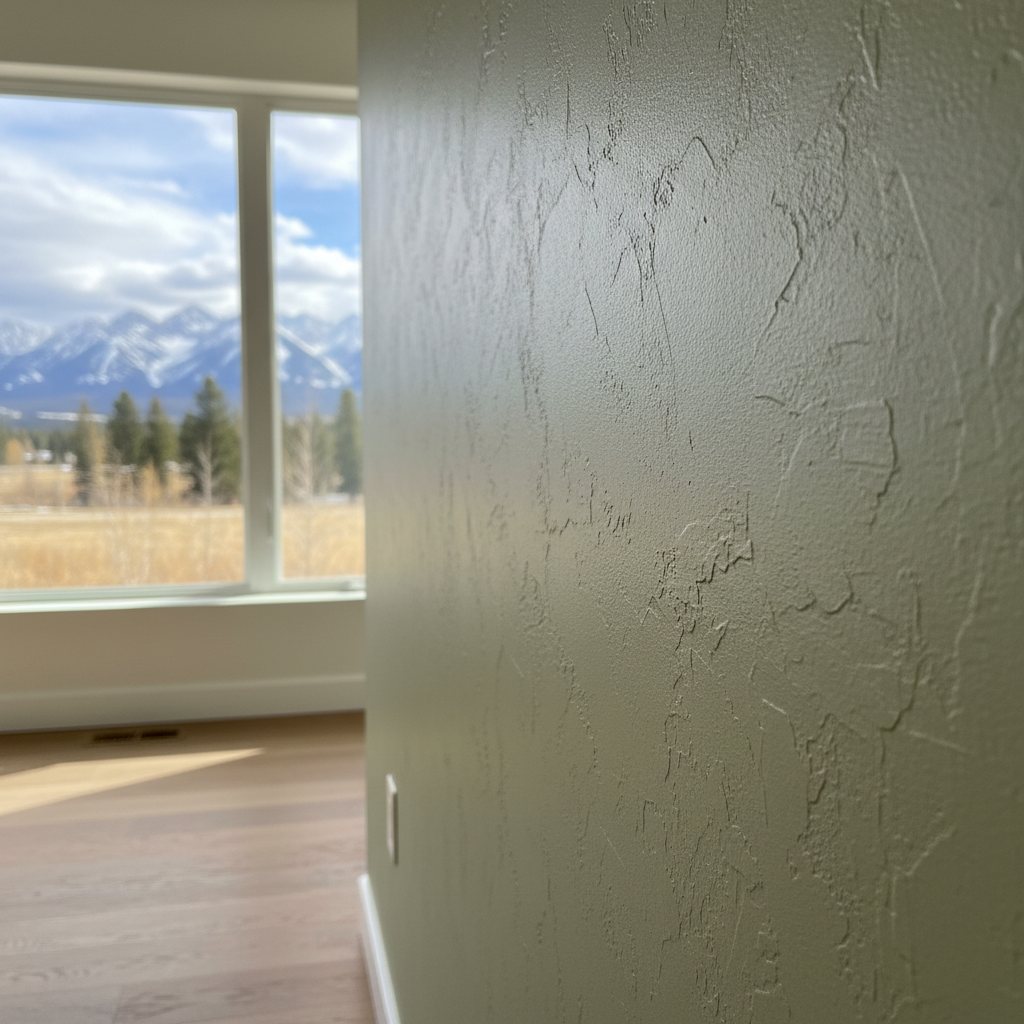
So, you're staring at those walls, huh? Thinking it's high time for a change? Interior painting really can transform a space, making it feel fresh, new, and just yours again. But before you grab a brush and dive in, let's chat a bit about what's involved. We'll also cover when it makes sense to tackle a project yourself versus when to bring in someone like us at Whitefish House Painters.
Before You Even Think About a Brush
Honestly, preparation is half the battle—maybe even more. You can't just slap paint on a dirty wall and expect it to look good or last. Trust me, I've seen some real messes from folks who skipped this part.
- Clear the Room: Get everything out of the way. Furniture, decor, pictures – anything that can move, move it. If something's too big, push it to the center of the room and cover it completely with plastic sheeting.
- Clean Those Walls: Walls get greasy and grimy, especially in kitchens or bathrooms, or even just high-traffic areas. Use a good degreaser or a mild soap and water solution. TSP (trisodium phosphate) works wonders, but wear gloves and protect your eyes, okay? Rinse thoroughly and let it dry completely. This step is crucial for paint to stick right.
- Repair Imperfections: Small nail holes, dings, cracks – fill 'em with spackle or joint compound. Sand smooth once dry. Don't skip this. Every little flaw you don't fix now will scream at you once the new paint is on. If you've got bigger drywall damage, that's where it starts to get tricky for a DIYer. A small patch, sure. A whole section? You might be better off calling a drywall guy or a painting contractor who can handle that kind of prep.
- Tape and Drape: Use good quality painter's tape (the blue stuff is usually best) on trim, baseboards, window frames, and anything else you don't want painted. Cover floors with drop cloths. Don't skimp on these. A cheap drop cloth can let paint seep through, and then you've got a bigger problem.
- Choose Your Paint Wisely: This isn't just about color. Think about the sheen. Flat paint hides imperfections well but isn't very washable. Eggshell or satin are great for living areas and bedrooms – they're durable and easy to clean. Semi-gloss or gloss work best for trim, doors, and high-moisture areas like bathrooms because they're super washable and tough.
During the Project: Rolling and Cutting In
Okay, so you've prepped. Now for the fun part, right? Well, it can be, if you've got the right tools and a little patience.
- Good Brushes and Rollers: Don't buy the cheapest ones. A quality brush will hold more paint, give you a smoother finish, and cut a cleaner line. Same for rollers – a good roller cover will apply paint more evenly and with less splatter.
- Cutting In: This is where you use a brush to paint along the edges where walls meet ceilings, trim, or other walls. Take your time. Load your brush, tap off the excess, and use steady strokes. This is often the most time-consuming part, and it's where a pro's experience really shines. We can cut a perfectly straight line freehand faster than most folks can with tape.
- Rolling: Work in sections, usually about a 3x3 foot area. Load your roller evenly and apply in a 'W' or 'M' pattern, then fill it in with vertical strokes. Don't press too hard. Overlapping each section slightly helps avoid roller marks.
- Ventilation: Open those windows! Even low-VOC paints still release fumes. Especially here in Whitefish, where we can get some pretty tight, well-insulated homes, you need to make sure you're getting fresh air in there.
- Drying Time: Read the paint can. Seriously. It'll tell you how long to wait between coats. Rushing this will lead to a patchy finish and adhesion problems.
After the Last Stroke: Finishing Up
You're almost there! Don't celebrate too early, though.
- Remove Tape: Pull the painter's tape while the paint is still slightly wet, or at least within a few hours of the final coat. If you wait too long, the paint can dry and crack along the tape line, pulling off chunks of your beautiful new finish. Pull it at a 45-degree angle, slowly.
- Clean Tools: Clean your brushes and rollers immediately. Good tools are an investment, and proper cleaning will make them last for years. For latex paint, warm water and soap usually do the trick.
- Touch-Up Paint: Keep a small amount of your leftover paint in a clearly labeled container. You'll thank yourself when you need to fix a scuff or a ding down the road.
DIY or Pro? Here's How to Decide
Look, I'm all for homeowners tackling projects they feel comfortable with. It's satisfying, and it saves money. But there's a point where DIY can cost you more in time, frustration, and a less-than-perfect result.
You can probably DIY if:
- It's a small room, like a bathroom or a guest bedroom.
- The walls are in good shape, requiring minimal patching.
- You have the time and patience to do the prep work thoroughly.
- You're not painting a super high-traffic area where durability is super important.
- You're comfortable with heights if there are tall ceilings.
You should probably call Whitefish House Painters if:
- You're painting multiple rooms or your entire house.
- The walls have significant damage – large holes, peeling paint, or textured surfaces that need smoothing.
- You're dealing with tricky architectural features, like vaulted ceilings or intricate trim work.
- You want a perfectly smooth, flawless finish that only years of experience can consistently deliver.
- You're short on time or just don't want to spend your weekends covered in paint.
- You're dealing with old homes, especially those with horsehair plaster walls that are common in some older Whitefish neighborhoods – those need a delicate touch.
Painting might look simple, but getting a truly professional, long-lasting finish takes skill and attention to detail. If you're on the fence, or if your project feels overwhelming, don't hesitate to give us a call. We're here to help make your Whitefish home look its best, whether you do it yourself or we do it for you.